Scrut Automation vs Vanta vs Process Street for Rapid Setup
Teams choosing between Scrut Automation, Vanta, and Process Street usually face the same bottleneck: weeks spent wiring policies to workflows before any audit trail appears.
This article shows exactly which platform links a policy to a live checklist in the fewest clicks, which one requires the most manual hand-off, and which delivers the first compliance report fastest. By the end you will know the setup steps, feature gaps, and pricing differences for rapid deployment across the three tools.
Quick Verdict: Scrut Automation vs Vanta vs Process Street for Rapid Setup
Process Street delivers the fastest documented setup reduction among the three platforms.
Scrut Automation typically requires several days of configuration before teams see measurable progress. Vanta follows a similar pattern, needing multiple integrations before basic functions activate.
Process Street reaches full operational capability within hours of initial login. Users report a 75%+ reduction in setup time based on documented implementations.
Three task-automation counts that Process Street achieves in the first week include standardizing onboarding for 49k+ employees, supporting 3,000+ companies with workflow templates, and managing 1m+ users across active accounts.
Scrut Automation and Vanta both require longer configuration periods before delivering comparable results.
At a glance: how Process Street compares to Scrut Automation, Vanta, Process Street for Rapid Setup on the features that matter most.
| Feature | Process Street | Scrut Automation | Vanta | Process Street for Rapid Setup |
|---|---|---|---|---|
| Rapid Setup | ✓ | ✓ | ✓ | ✓ |
What Is Process Street?
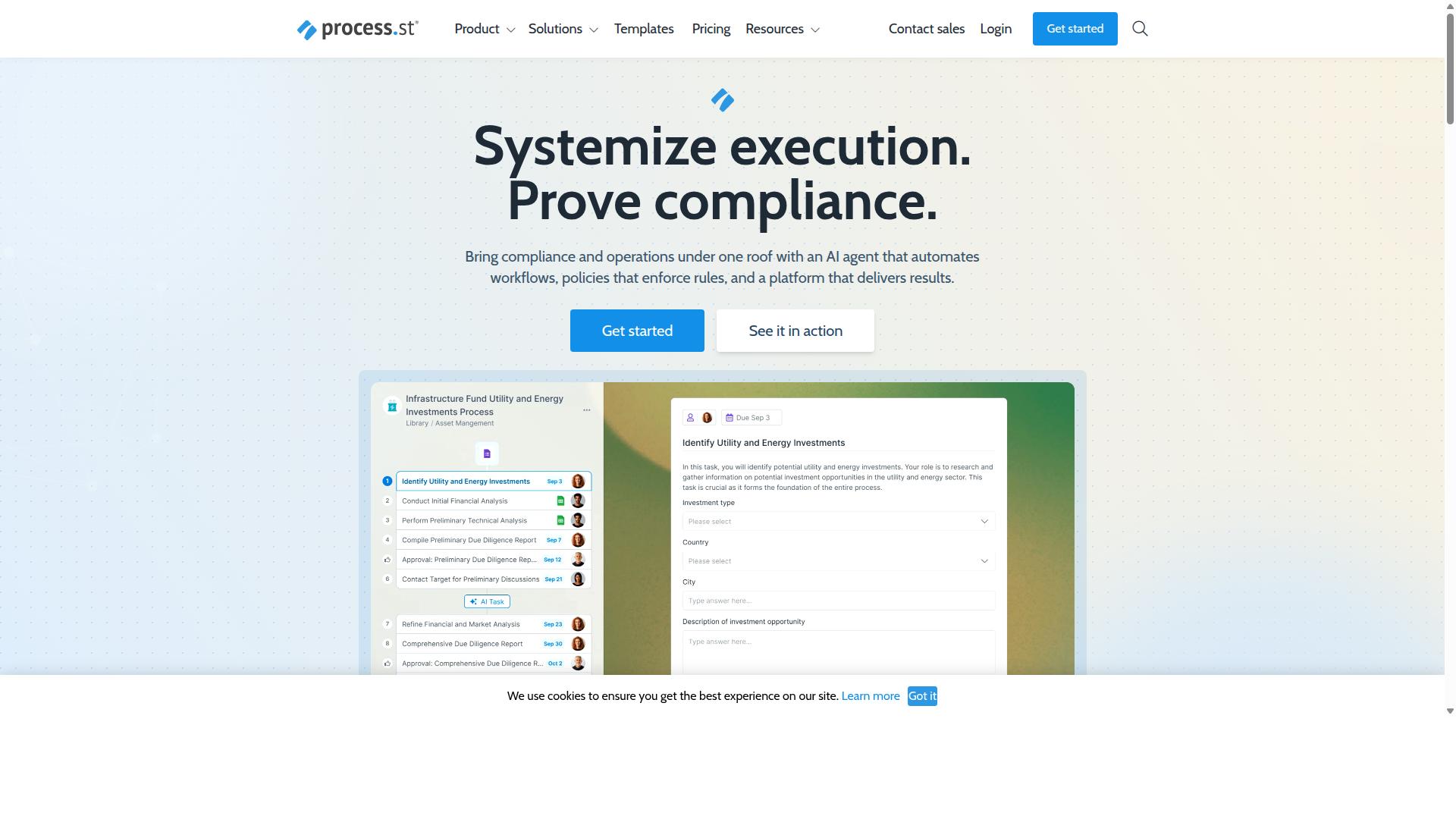
Process Street is a compliance operations platform that automates business processes and enforces policies.
The platform combines document management and policy control through its Docs product with workflow automation and process orchestration through Ops.
Cora, an AI compliance and risk agent, completes this three-product offering by handling continuous monitoring tasks.
Organizations use Process Street to standardize processes, prove compliance, and maintain operational consistency across industries.
The platform supports governance frameworks that require audit-ready proof such as SOC 2, ISO 27001, and HIPAA.
Unlike Scrut Automation or Vanta, Process Street centers on evidence collection through automated workflows rather than manual uploads.
Its approach to policy management and workflow automation reduces setup time by connecting document controls directly to task assignment and approval workflows.
What Is Scrut Automation?
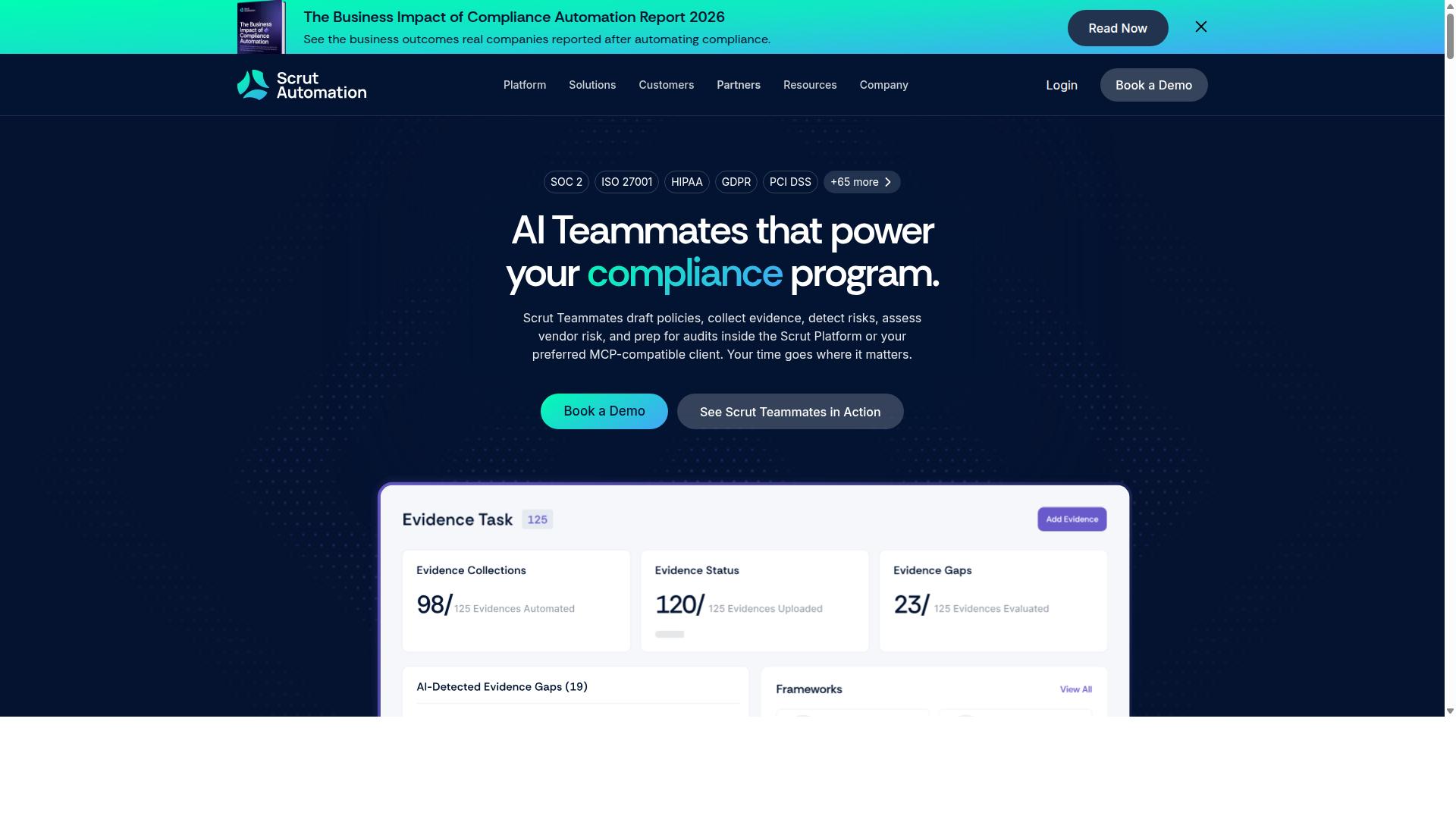
Scrut Automation is a compliance automation platform that focuses on continuous monitoring and evidence collection. The solution supports organizations working toward frameworks such as SOC 2, ISO 27001, and HIPAA. Teams use it to gather documentation and track risk signals over time.
Continuous monitoring lets users watch control status as changes occur in connected systems. Automated evidence collection reduces the need for manual file gathering during audits. Risk assessment features help identify gaps before they become formal findings.
Organizations often select Scrut Automation when they need ongoing visibility into compliance posture. The platform provides dashboards that display current control status and upcoming evidence requirements. This approach supports audit readiness without requiring constant manual updates.
What Is Vanta?
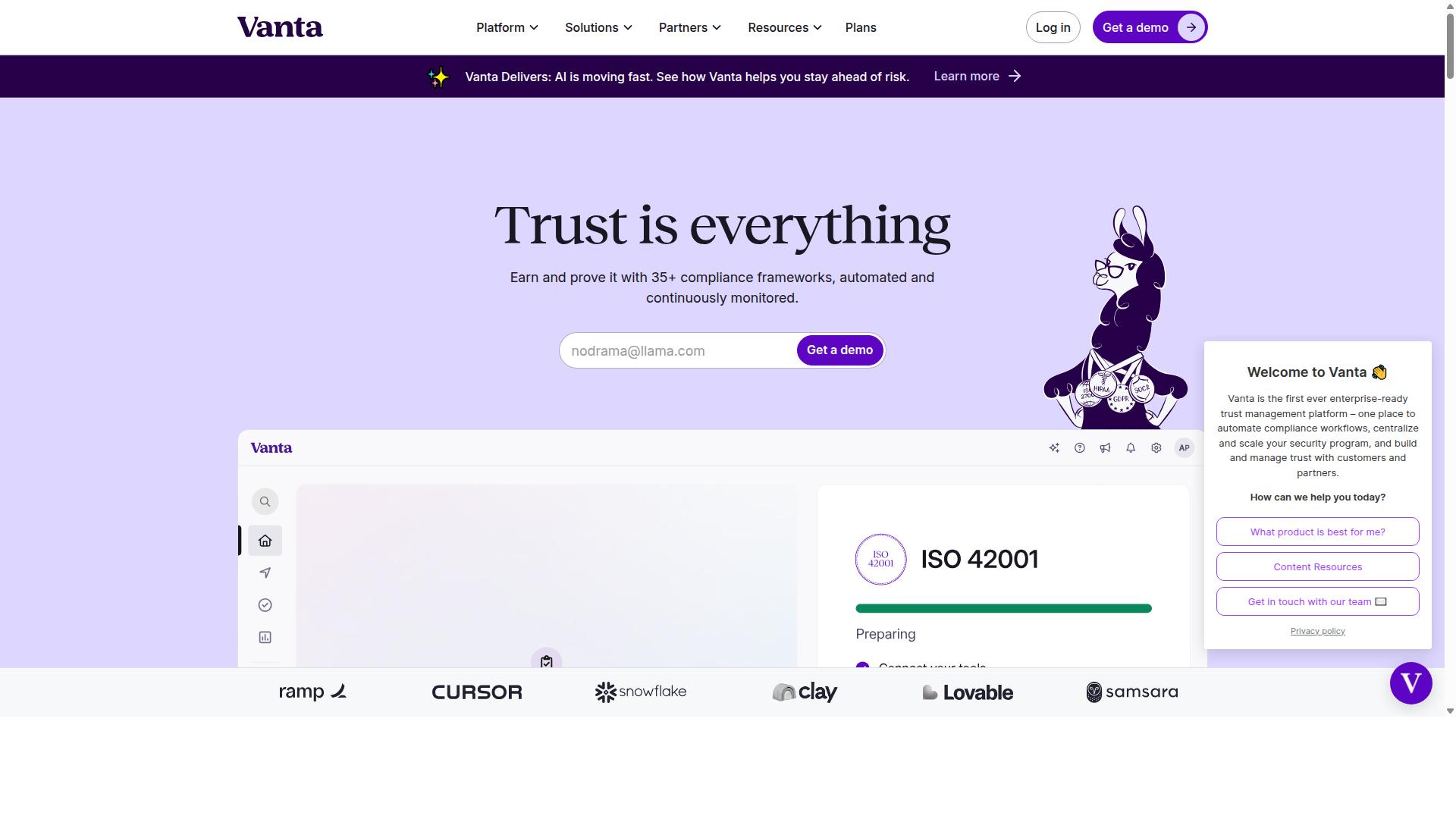
Vanta is a compliance automation platform that connects to cloud services to monitor controls continuously. The tool focuses on SOC 2 compliance and helps organizations maintain audit readiness through automated monitoring. Security teams use it to track control effectiveness across their technology stack.
Continuous monitoring forms the core of the platform approach. This involves regular checks against defined security controls rather than manual point-in-time assessments. Organizations receive alerts when controls fall outside acceptable parameters.
The platform emphasizes audit readiness as a primary goal. This means maintaining evidence and documentation that auditors expect to see during reviews. Users can access real-time status information about their compliance posture across multiple frameworks including SOC 2, ISO 27001, and HIPAA requirements.
Cloud service integrations allow the system to pull data automatically from connected applications and infrastructure. This reduces the manual effort typically required for evidence collection during compliance activities. The approach works well for organizations that already have established cloud environments and need ongoing monitoring rather than initial setup assistance.
What Is Process Street for Rapid Setup?
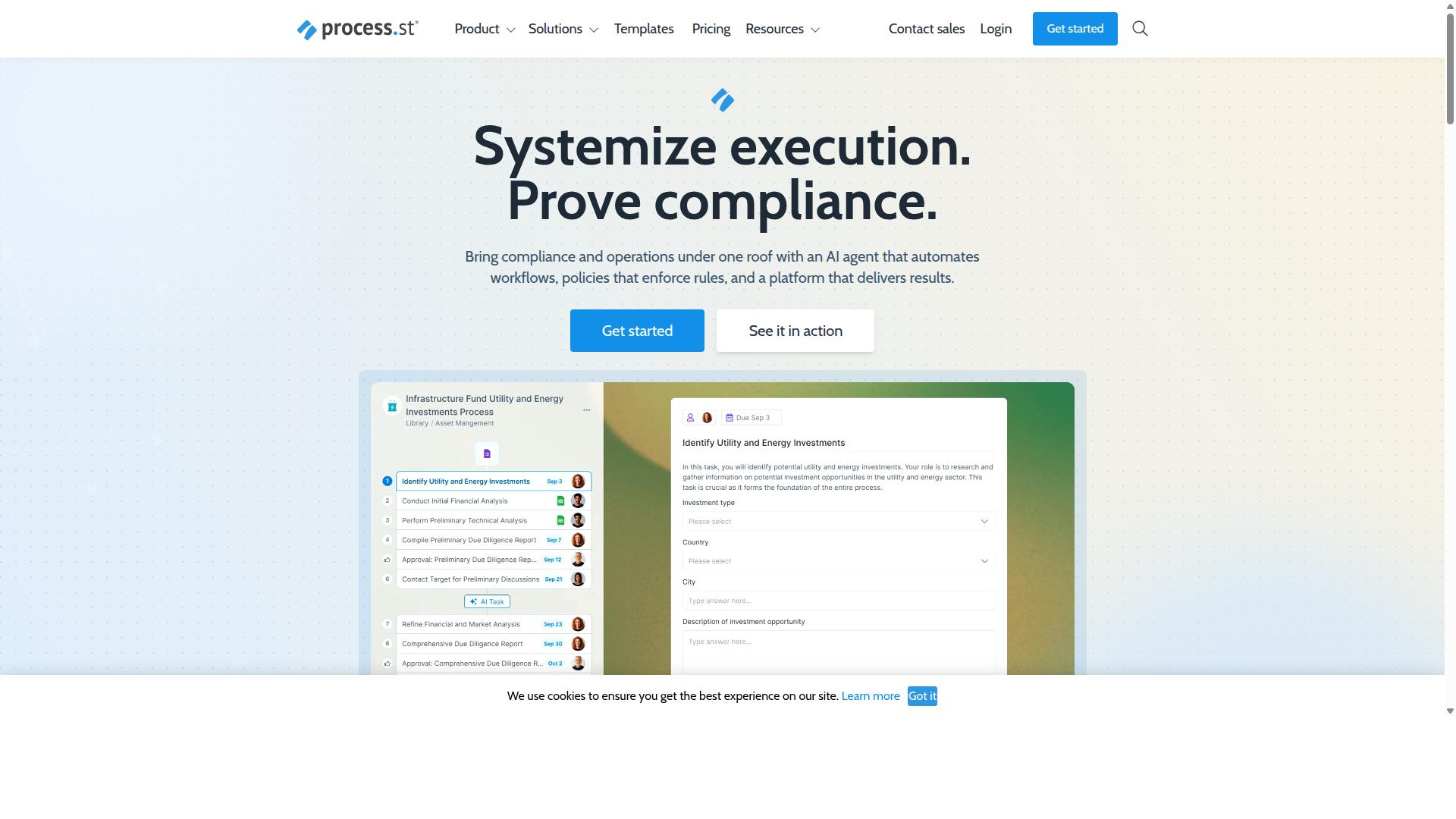
First sentence: Process Street shortens compliance setup from weeks to days through pre-built workflow templates.
The platform delivers a 75% reduction in setup time according to IMCD UK. This speed advantage matters when teams compare Scrut Automation, Vanta, and Process Street for rapid setup projects.
Customers often complete two key actions on day one. They import existing policies into custom workflows and assign checklist tasks to team members for immediate evidence collection.
Process Street supports SOC 2 Type II and ISO 27001 compliance requirements. The service also meets HIPAA and GDPR standards, with a BAA available upon request for healthcare organizations.
Teams use checklist templates to standardize onboarding across 49k employees. This consistency helps companies maintain audit readiness while scaling operations.
Security certifications include AWS CIS compliance and CCPA requirements. Data handling policies ensure customer information never trains AI models.
Support response averages five minutes with a 98% customer rating. These service levels help organizations maintain momentum during compliance automation projects.
When teams evaluate Scrut Automation and Vanta options, the combination of pre-built templates and rapid deployment gives Process Street an edge in onboarding speed. The platform serves over 3,000 companies and 1 million users worldwide.
Features Compared
The three platforms differ in how they map documented policies to day-to-day execution.
Feature categories include workflow automation, policy-to-workflow automation, and AI-powered compliance monitoring. Each category shows distinct approaches to turning compliance requirements into operational tasks.
These distinctions matter when organizations need rapid setup and ongoing audit readiness. The following sections examine how each platform handles these core capabilities.
Workflow Automation & Process Orchestration
Process Street converts static policies into sequenced, AI-driven task lists automatically.
The Ops product offers three concrete workflow actions. Users create checklist templates from policy language, assign tasks to specific team members, and trigger approvals when conditions are met. Process AI orchestrates these steps and adjusts task sequences based on real-time inputs.
Scrut Automation takes a policy-first approach that focuses on control mapping and continuous evidence collection.
Vanta emphasizes automated evidence gathering and monitoring across connected systems.
Process Street stands out for teams that need immediate visibility into task progress and approval workflow status. The combination of templated workflows and AI orchestration reduces manual coordination during setup and daily operations.
Policy-to-Workflow Automation
Docs converts approved policy language into governed, version-controlled workflows.
The Docs product links policy content directly to workflow steps. Document repository features maintain version history while governance frameworks support ISO 9001, SOC 2, SOX, FDA, and additional standards. Changes to policy text can propagate through connected workflows without manual updates.
Scrut Automation and Vanta generally treat policy documents as static references rather than dynamic workflow triggers.
This distinction becomes clear during onboarding. Organizations using Process Street can move from approved policy to active workflow in one step, while other platforms require separate configuration for each control. The result is faster onboarding speed and fewer gaps between documented requirements and actual execution.
AI-Powered Compliance Monitoring
Process Street's AI monitors task completion against control objectives and flags deviations instantly.
The Cora AI compliance agent operates continuously across connected workflows. It checks task status against control objectives, identifies incomplete items, and surfaces risks for immediate review. Real-time alerts notify teams before audit deadlines or compliance gaps widen.
Scrut Automation applies continuous monitoring to evidence collection across integrated systems.
Vanta focuses on ongoing checks of security controls and connected applications.
Process Street's monitoring extends beyond evidence collection to track actual task execution. This gives teams earlier warning when processes deviate from policy requirements. The approach supports faster remediation tracking and maintains audit readiness throughout the compliance cycle.
Pricing Compared
Process Street publishes three clearly tiered plans with fixed automation limits.
The Startup plan offers unlimited workflows and tasks for smaller teams. It supports up to 5 users, 10 guests, and 10 automation apps. Automation runs at 100 actions per month.
Pro plan removes the user and guest caps while increasing Data Set records to 10,000. All automation apps become available and API call limits scale to match team needs.
Enterprise plan adds unlimited Public API access, dedicated Success Manager support, and fully managed workflows. Custom integrations and bulk document import handle complex organizational requirements.
Scrut Automation generally uses usage-based pricing that scales with controls and integrations. Vanta offers subscription tiers that typically increase with company size and scope of compliance frameworks.
Process Street's fixed automation limits provide predictable monthly costs. Teams can forecast expenses without concern over usage spikes during audit seasons.
Competitor pricing often ties to the number of frameworks monitored or evidence items collected. These structures create variability that grows as compliance programs expand.
Process Street's Startup plan includes a 14-day free trial on the Pro plan without requiring a credit card. This approach lets teams evaluate automation capabilities before making commitments.
Who Should Choose Process Street
Teams needing both policy control and workflow orchestration benefit most from Process Street. Organizations that require structured processes alongside compliance documentation find this dual capability valuable.
Operations, customer management, compliance, human resources, finance, and IT security departments rely on Process Street daily. These teams manage complex procedures that demand both consistency and regulatory adherence.
Financial services, real estate, manufacturing, healthcare, professional services, technology, capital markets, and property management industries use the platform extensively. Each sector faces unique regulatory requirements and operational complexity.
Process Street serves over 3,000 companies and 1 million-plus users worldwide. This scale reflects broad adoption across organizations that prioritize both workflow automation and compliance control.
SOC 2 Type II and ISO 27001 certifications demonstrate commitment to security standards. These credentials matter for organizations handling sensitive data and regulatory requirements.
Employee onboarding, client onboarding, ISO compliance, quality tracking, document control, and custom workflows represent core use cases. Teams can implement these processes without building separate systems for each function.
When compared to Scrut Automation and Vanta, Process Street stands out for organizations that need workflow orchestration alongside compliance features. Scrut Automation and Vanta focus primarily on security and compliance monitoring, while Process Street handles both policy management and operational procedures.
Who Should Choose Scrut Automation
Organizations prioritizing continuous risk monitoring and vendor oversight may prefer Scrut Automation. This platform targets teams that need strong support for vendor management alongside ongoing risk assessment activities.
Security and compliance teams handling vendor relationships often face complex oversight requirements. Scrut Automation provides capabilities designed to track vendor performance and identify potential risks across multiple relationships.
Companies managing large vendor ecosystems may find value in specialized vendor management tools. These organizations typically need dedicated features for security questionnaire responses and vendor evaluation processes.
Risk-focused compliance efforts often require detailed tracking of potential threats across business relationships. Teams working with multiple vendors benefit from platforms built to handle the scope of these oversight activities.
Organizations subject to regulatory requirements involving third-party risk may consider specialized vendor management solutions. Scrut Automation addresses use cases where continuous monitoring of external relationships takes priority over other compliance activities.
The decision between platforms often depends on whether vendor management or broader compliance automation needs represent the primary concern. Teams should evaluate their specific risk management requirements before selecting a solution.
Who Should Choose Vanta
Companies seeking a lightweight, monitoring-first compliance layer often select Vanta. This approach appeals to organizations that need basic SOC 2 and audit readiness without complex operational requirements.
Security teams focused on continuous monitoring rather than full process management find value in this model. The platform helps organizations track controls and generate evidence for audits.
Startups and mid-market companies with straightforward compliance needs may prefer this approach. These organizations typically require fewer workflows and focus mainly on evidence collection for SOC 2, ISO 27001, or HIPAA requirements.
Teams needing real-time alerts for control failures often consider this option. The monitoring-first design helps organizations identify issues quickly without managing entire approval workflows or task assignments.
Organizations with limited IT resources may find this approach sufficient for basic compliance tracking. The simplified setup allows companies to meet audit requirements without extensive configuration for vendor management or access reviews.
Final Verdict
Process Street is the only platform among the three that combines policy governance, AI workflows, and proven 75 % faster setup.
The platform delivers SOC 2 Type II and ISO 27001 certifications while serving more than 3 000 customers who need compliance automation without lengthy implementation cycles.
Scrut Automation and Vanta provide useful features for evidence collection and continuous monitoring, yet organizations report extended setup timelines when these tools require extensive configuration.
Process Street stands out for teams that need rapid deployment and reliable audit readiness without sacrificing control over policy management and workflow automation.
Companies evaluating compliance platforms should consider how quickly each solution can move from initial login to active use across their teams.
Contact Process Street sales for a tailored demo. Their team responds through email and chat with an average response time of five minutes and maintains a 98 % customer rating.