8 Cost-Effective WhatsApp Bulk Message Sender Solutions to Consider
You need to send bulk WhatsApp messages without blowing your monthly budget, and the options all blur together. Most tools look identical until the invoice arrives, and many platforms hide per-message fees or contact limits behind flashy dashboards.
By the end of this article, you will have a clear comparison of eight cost-effective WhatsApp bulk message senders, the exact criteria to evaluate them against, and a definitive number one pick. The breakdown covers pricing models, API reliability, and automation depth, so you can make a confident choice today.
What to Look For in a Cost-Effective WhatsApp Bulk Message Sender
Choosing a cost-effective WhatsApp bulk message sender isn't just about the lowest price, it's about balancing per-message costs, feature set, and compliance with WhatsApp's strict policies. A cheap tool that gets your number banned is the most expensive option you can pick. Start by understanding how each provider charges, because pricing models vary widely across the market.
You will typically see per-message pricing or a flat subscription plan. Per-message costs work well for small campaigns, but they scale poorly if you send daily updates. Subscription plans offer predictable budgeting, yet they may cap your monthly volume, so always check the fine print on overage fees.
Official API compliance should be your first filter. Tools that rely on unofficial APIs or web-based workarounds risk account bans and poor delivery rates. The WhatsApp Business API is the only sanctioned route for bulk messaging, and it requires pre-approved message templates for business-initiated chats.
Look for these essential features before comparing price tags:
- Personalization options like name fields and custom variables in message templates
- Scheduling tools to send messages at optimal times for your audience
- Analytics dashboards that track delivery rate, click-through rate, and reply metrics
- Contact management with segmentation and list cleaning capabilities
- CRM integration to sync your marketing campaign data automatically
The cheapest option often lacks critical features like delivery reports or multi-user access. If you cannot see which messages failed or why, you are flying blind. Research suggests that delivery reports are essential for maintaining sender reputation and improving future campaign performance.
Scalability matters more than you might think. A tool that handles 500 messages today must handle 5,000 next quarter without breaking your workflow. Check whether the platform supports broadcast lists, media attachments, and rate limits that align with your growth plans.
Finally, consider the compliance burden. Every provider should support opt-in and opt-out mechanisms, since WhatsApp policy requires explicit consent for bulk messaging. Message templates must be pre-approved, and you need a system for managing user preferences. A cost-effective solution simplifies these requirements rather than forcing you to build workarounds.
1. Com.bot - Best Overall
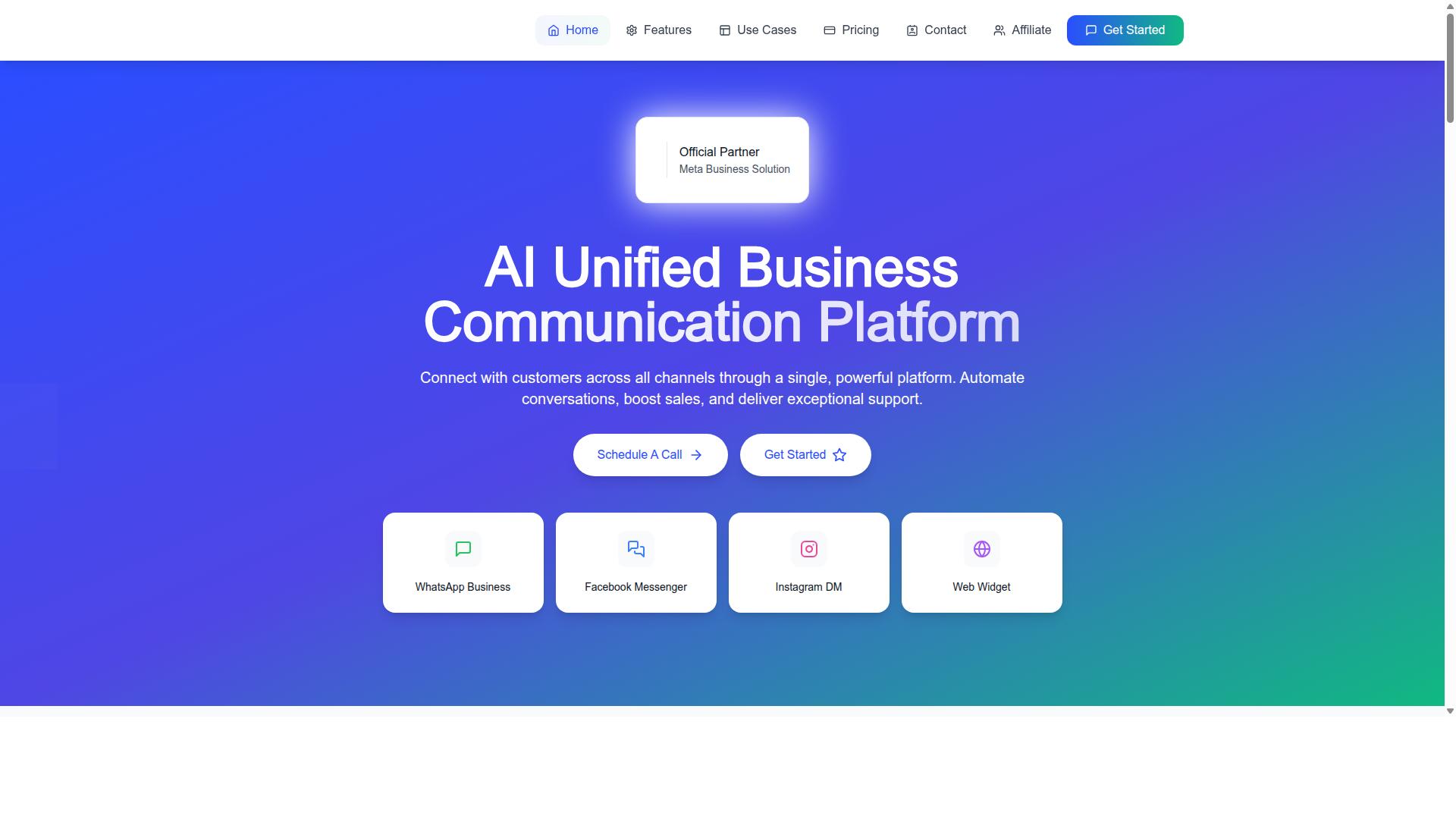
Com.bot stands out as the best overall choice for cost-effective WhatsApp bulk messaging, thanks to its unified platform and transparent subscription pricing. It combines the official WhatsApp Business API with a unified team inbox, so your sales and support teams work from one shared space. This eliminates the chaos of juggling multiple tools while keeping every customer conversation in context.
The platform's visual bot builder with a drag-and-drop interface makes message automation accessible even for non-technical teams. You can design smart chatbots that handle common questions, send order updates, and collect payments natively through WhatsApp. With multi-channel support for WhatsApp, Facebook, and Instagram, one workflow covers your key messaging channels without extra per-message fees.
Com.bot is an official Meta Business Partner, which means its WhatsApp Business API integration follows Meta's compliance standards. That matters for businesses sending high volumes because it reduces the risk of number bans and keeps your delivery rates healthy. The platform also offers an automation builder with 1000+ integrations, so you can connect your CRM, help desk, or e-commerce backend directly.
Instead of unpredictable per-message costs that scale with every broadcast, Com.bot's subscription plan gives you predictable monthly pricing. For high-volume senders, this is where the real cost-effectiveness kicks in: your budget stays flat while your message volume can grow. Team collaboration features with role-based access keep multi-user workflows organized, and the platform serves businesses globally.
Beyond bulk messaging, Com.bot includes order updates, customer support tools, notifications, and payment collection in one place. You also get access to related platforms like Tasks.Bot for enterprise task automation, Tickets.Bot for event ticketing, and Calendars.Bot for AI appointment booking. For a business that wants one cost-effective hub for WhatsApp communication, Com.bot delivers the most complete package.
2. WATI
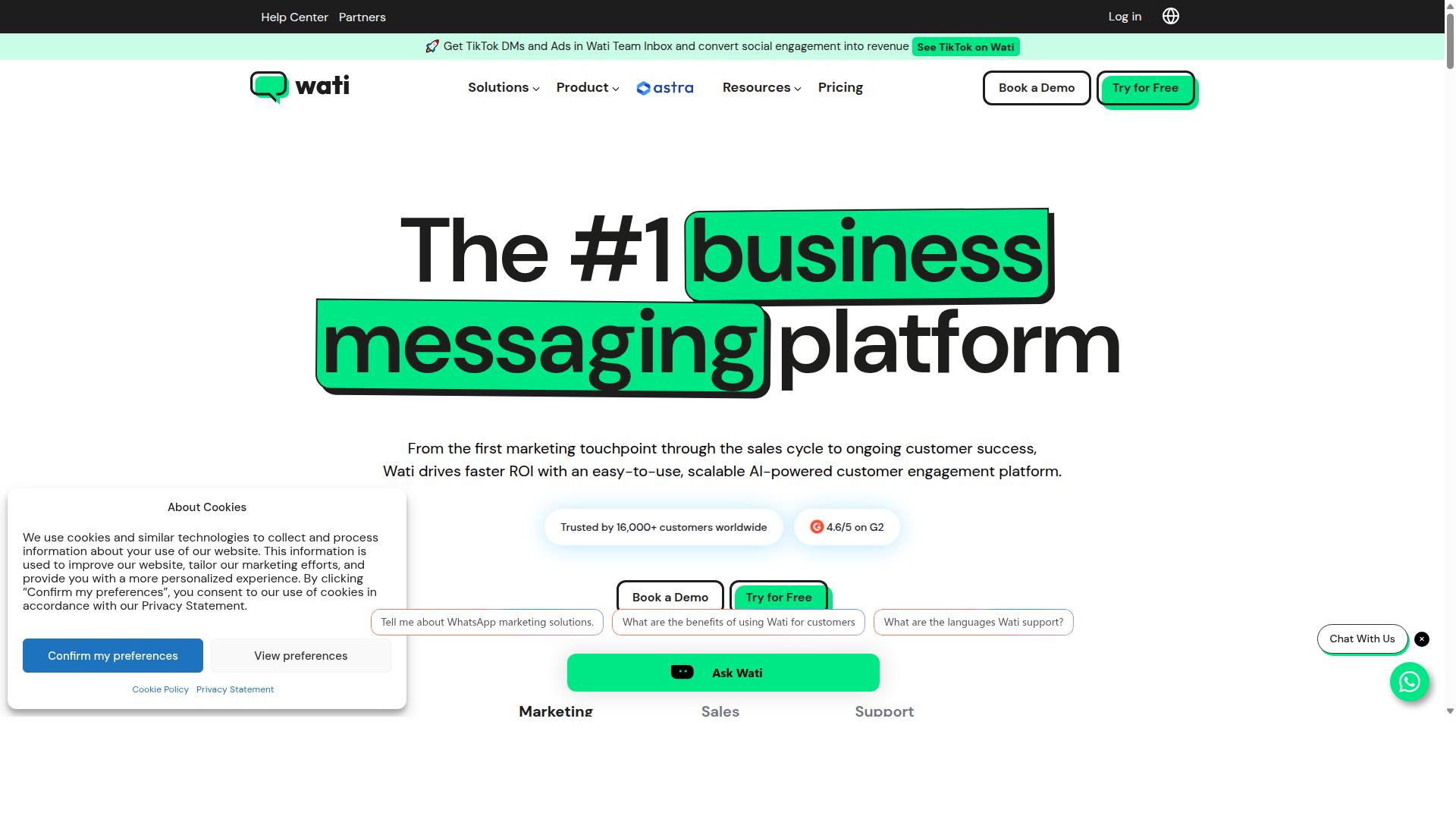
WATI is a popular WhatsApp Business API provider that offers a user-friendly platform for small to medium businesses, but its pricing can be less predictable. It is a well-known official WhatsApp Business API provider that focuses on making bulk messaging approachable for teams without deep technical expertise.
WATI's core features include a shared team inbox, message templates, and basic automation. Businesses can broadcast messages to large contact lists, schedule campaigns, and personalize messages using templates to stay compliant with WhatsApp policies.
The platform also supports contact categorization and targeting, plus funneling Facebook and Instagram leads through WhatsApp for better ROI. Message scheduling and automation make scaling easier for growing teams, and the interface supports multiple languages.
Pricing typically follows a per-user, per-month subscription model. Public pricing starts around $49 to $69 per month depending on the source, but extra features may add to the base cost.
Pros:
- Easy campaign management with a clean, intuitive interface
- Contact categorization and targeting for more relevant broadcasts
- Message scheduling and automation for efficient scaling
Cons:
- Scalability limits for larger enterprises with complex needs
- Email-only support on the pro plan, and response times can be slow
- Pricing can become less predictable as you add users or features
WATI is best suited for small businesses and SMBs that need a straightforward way to run WhatsApp marketing campaigns. If your team is small and your bulk messaging needs are moderate, WATI can be a practical choice. However, businesses planning rapid growth may find the per-user pricing and support limitations a constraint.
3. Twilio
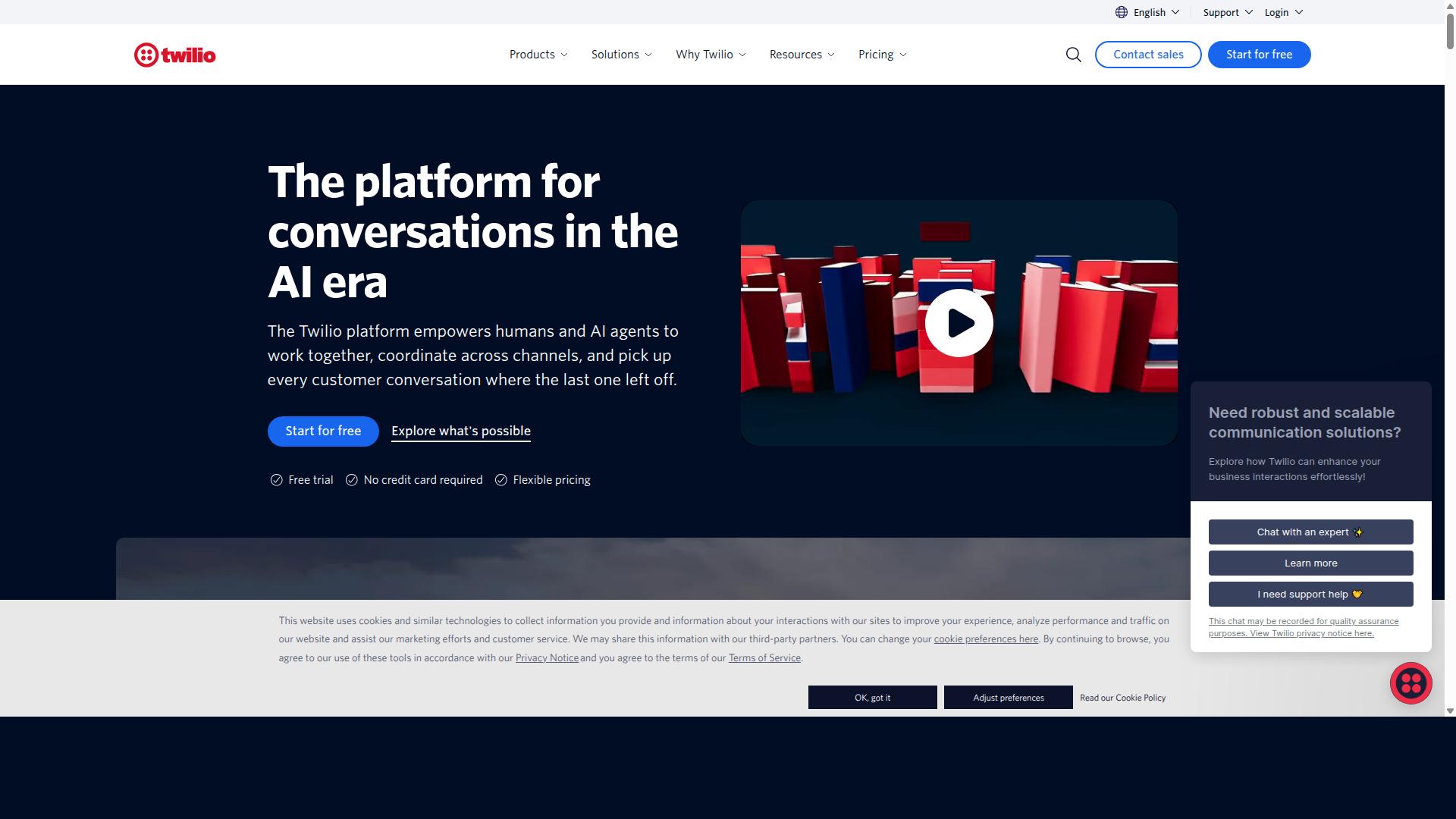
Twilio offers a developer-first WhatsApp Business API with flexible per-message pricing, but it requires technical expertise to set up and manage. This platform is best suited for teams that already have engineering resources and want to build custom messaging workflows from scratch.
The pay-as-you-go model starts at $0.005 per message, which makes it genuinely cost-effective for low-volume senders. However, costs can become unpredictable at higher volumes, especially when you factor in session messaging and template fees that vary by region.
Twilio shines in its extensive documentation and API flexibility. Developers can integrate the WhatsApp Business API with existing CRM systems, build custom message automation, and control every aspect of the delivery flow. The official API access also means compliance with WhatsApp policies is built in.
The main drawback is usability. There is no user-friendly interface for non-technical staff, so every campaign, contact list update, or template change requires developer involvement. For small businesses without a technical team, the learning curve can outweigh the per-message savings.
Consider Twilio if you have in-house developers and need deep control over your bulk messaging infrastructure. For teams looking for a ready-to-use WhatsApp bulk message sender with a visual interface, a cloud service with managed support may be a more practical choice.
4. Bird (formerly MessageBird)
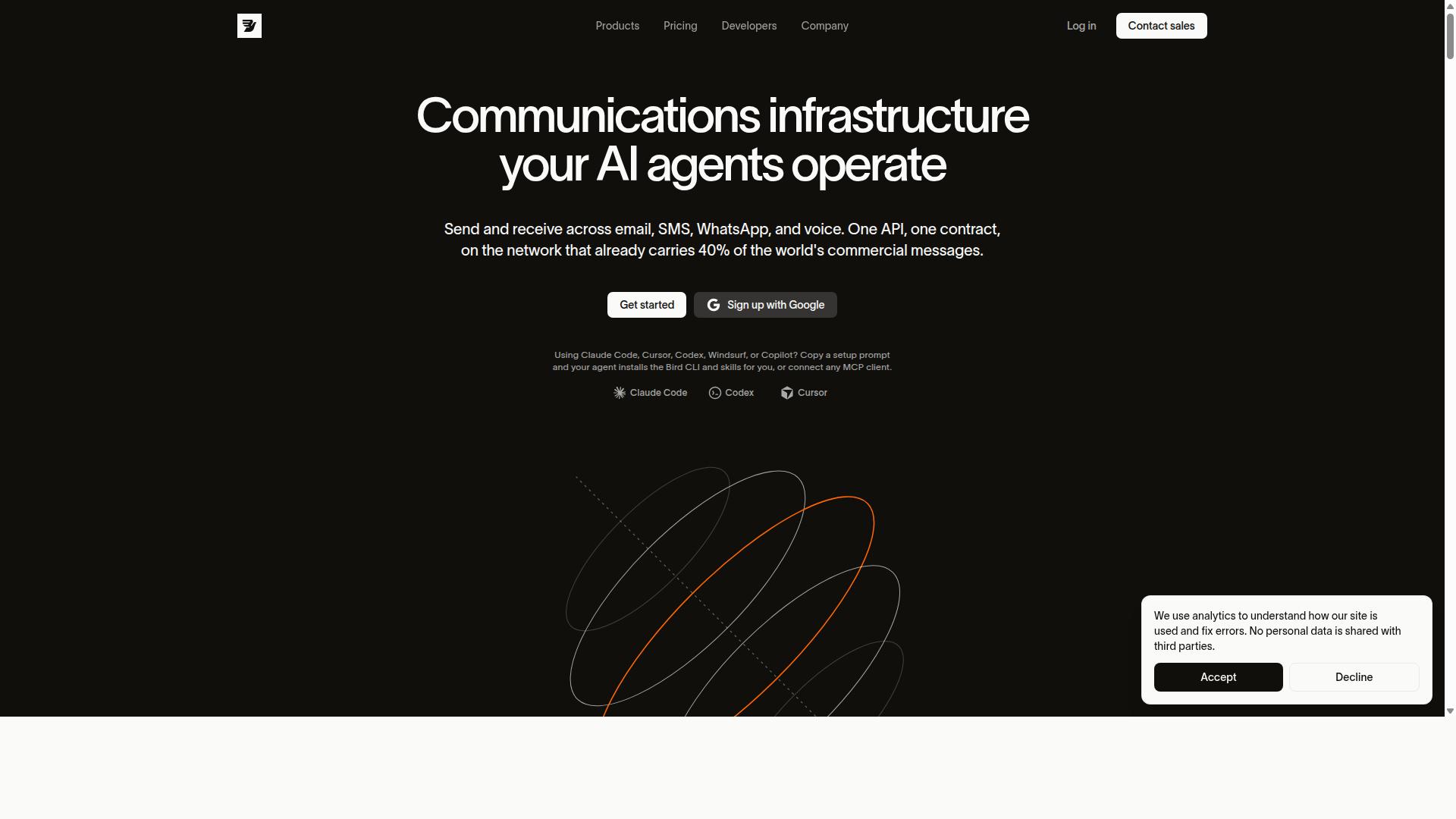
Bird, formerly MessageBird, provides a global messaging platform with a strong focus on deliverability and multi-channel support, but its pricing can be complex. The company positions itself as a solution for developers and technical teams, as well as large enterprises managing international customer communications. Its official API access makes it a legitimate option for businesses that need to scale WhatsApp bulk messaging across multiple regions.
The platform stands out for its high delivery rates and advanced analytics. Bird also supports SMS, email, and WhatsApp through a single interface, which appeals to companies already running multi-channel marketing campaigns. For teams that need message automation across several touchpoints, this breadth can reduce the number of tools required.
Pricing starts at around $0.005 per message, according to public sources. Bird offers per-message pricing and volume discounts, but the cost structure may be confusing for small businesses. The tiered model and additional fees for certain features can make budget forecasting difficult without a dedicated account review.
Bird takes an API-first approach, which means most functionality requires developer resources. Non-technical marketing teams may struggle to set up broadcast lists, manage opt-in and opt-out flows, or configure message templates without coding support. That said, for organizations with engineering capacity, Bird offers a scalable path for bulk messaging with strong compliance alignment to WhatsApp policy.
5. Brevo
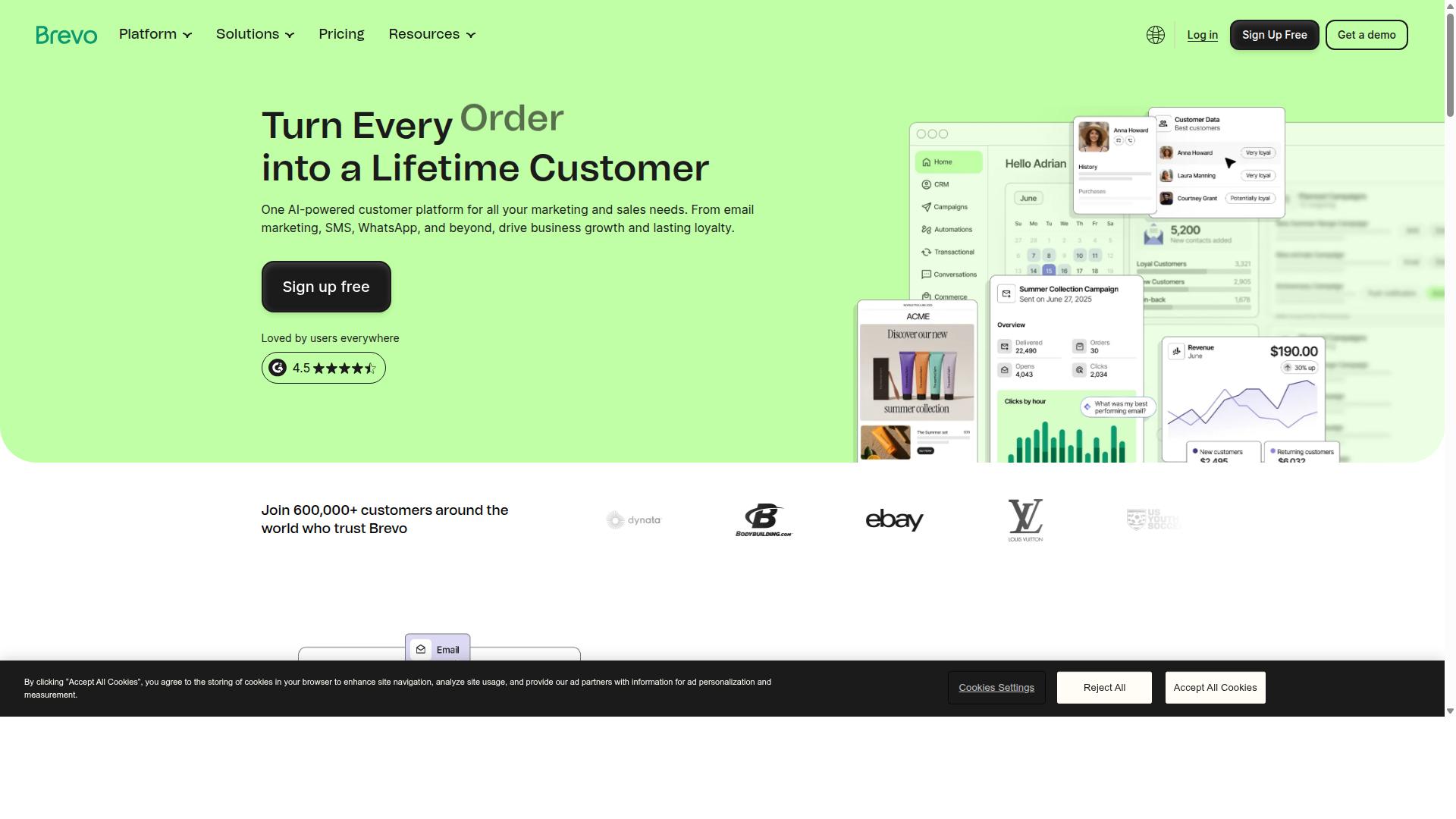
Brevo (formerly Sendinblue) is a marketing platform that includes WhatsApp messaging as part of its broader suite, but its WhatsApp features are somewhat limited. It works well for businesses already invested in email marketing or SMS campaigns who want to add WhatsApp to their existing mix.
Brevo is an official Meta Business Partner and WhatsApp Business Solution Provider. It offers the full range of WhatsApp campaigns alongside email marketing, transactional email, and SMS from a single interface.
Its subscription-based pricing can be cost-effective if you already pay for Brevo's other services. Instead of adding a separate tool, you consolidate your marketing channels under one roof, which often reduces overall spend.
Businesses get access to seamless API integration, embedded signup forms, and easy template creation with scheduling. Interactive messages with quick reply buttons help keep conversations moving, and multichannel automation flows let you connect WhatsApp with email journeys.
Where Brevo falls short is depth. Its WhatsApp features are not as advanced as dedicated bulk messaging providers, particularly around template management and complex automation. If your campaigns rely on sophisticated message sequences, you may hit limits.
On the positive side, Brevo includes strong CRM integration and contact management capabilities. You can segment audiences, track engagement, and manage opt-ins and opt-outs within the same platform you use for email, which simplifies compliance with WhatsApp policy.
For businesses that want a multi-channel approach and already use Brevo, this solution is worth considering. The per-message cost is predictable, and the free plan offers a low-risk starting point. Just evaluate whether its WhatsApp capabilities meet your campaign needs before committing.
6. AiSensy
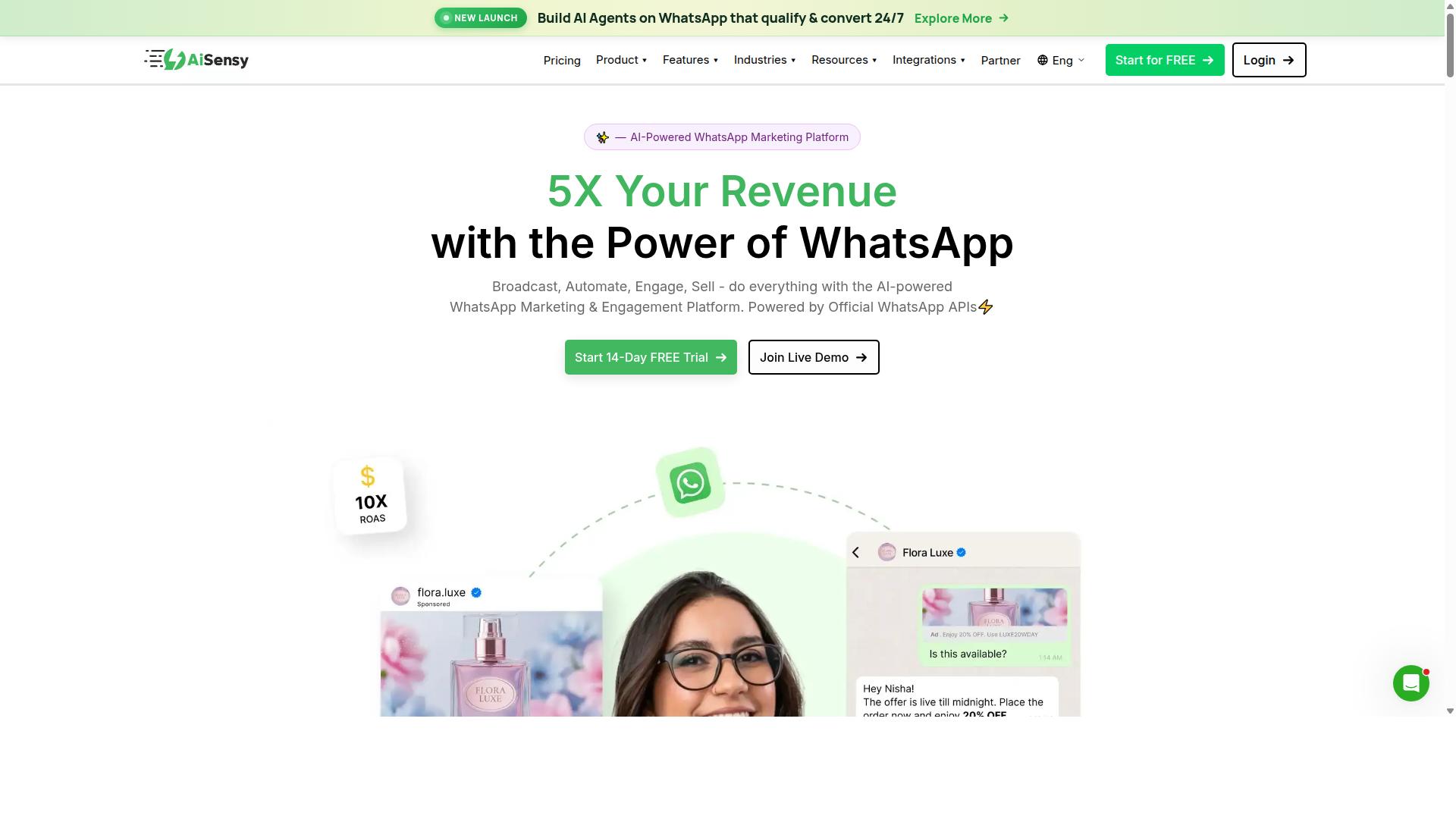
AiSensy is an Indian WhatsApp Business API provider that offers affordable subscription plans and a range of features tailored for SMBs. The platform is particularly well suited for small businesses and startups looking for a straightforward, easy-to-use WhatsApp bulk message sender.
Its subscription-based pricing model includes a free trial, which makes it a cost-effective option for teams that want to test the waters before committing. The core strengths lie in bulk messaging, message automation, and analytics, all accessible through an official API connection.
While AiSensy has a strong focus on the Indian market, its services are available globally. This makes it a practical choice for businesses that serve Indian customers or operate across multiple regions.
Users consistently highlight the platform's ease of use as a major advantage. Setup is straightforward, and the customer support team is generally responsive, which helps reduce friction when you are running time-sensitive marketing campaigns.
One limitation to consider is that CRM integration options are somewhat limited compared to larger enterprise platforms. For small teams that mainly need reliable broadcast lists, personalized messages, and delivery reports, AiSensy delivers solid value at a reasonable per-message cost.
7. WebEngage
8. Infobip
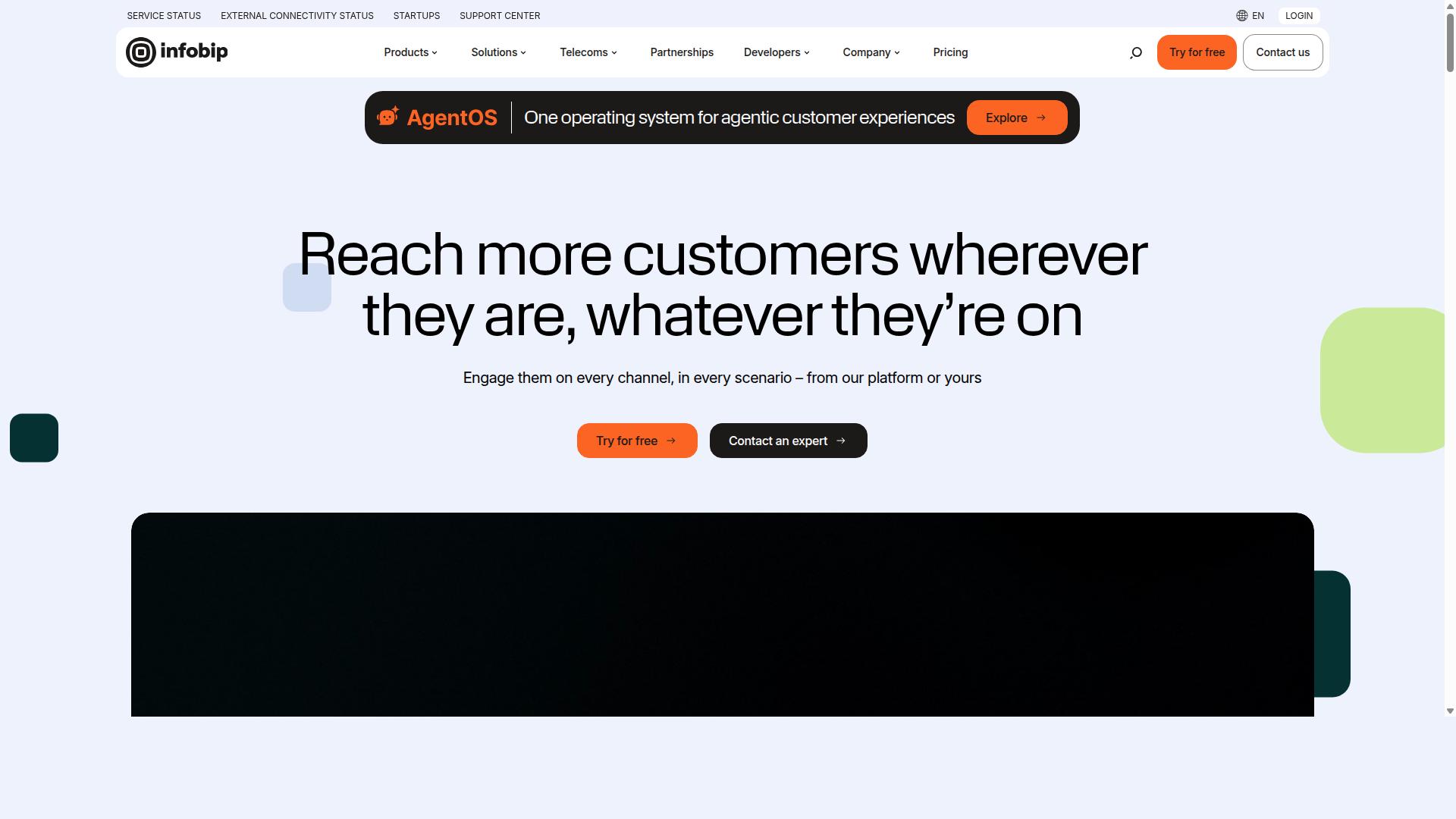
Infobip is a global communications platform that offers WhatsApp Business API with a strong emphasis on scalability and reliability. It is best suited for global enterprises that need to manage high-volume messaging across multiple countries and channels.
The platform provides a high delivery rate thanks to its extensive global infrastructure. Businesses can reach customers across numerous regions without worrying about local connectivity issues or carrier restrictions.
Infobip operates on a pay-as-you-go pricing model, which means you only pay for what you use. That said, the platform is typically adopted by larger organizations with dedicated technical teams, as its automation level is very high but its ease of use is complex.
Advanced features include chatbot integration, in-chat payments, and detailed analytics. These tools support sophisticated marketing campaigns and customer service workflows through the official WhatsApp Business API.
For small or mid-sized businesses, the learning curve can feel steep. However, for enterprises already running complex communication stacks, Infobip offers a cost-effective bulk messaging solution when measured against the value of its global reach and reliability.
How to Choose the Right Option
To choose the right WhatsApp bulk message sender, start by assessing your business size, messaging volume, and budget-then match those needs to the features that matter most. A small shop sending 200 messages a week has very different requirements than a government agency handling thousands of customer inquiries daily.
Begin with your messaging volume. Low-volume senders can often manage with a web-based sender or desktop software that supports broadcast lists. High-volume operations need a cloud service built on the WhatsApp Business API, which handles rate limits and delivery reports automatically.
Next, consider your technical expertise. If your team has developers, API pricing and message automation tools give you maximum control. If not, look for a user-friendly platform with message templates, media attachments, and message scheduling built in.
Your budget structure matters too. Subscription plans work well for predictable monthly volume, while per-message cost models suit seasonal campaigns. Check whether the free trial includes full features or just a limited preview of the analytics dashboard.
Now map your required features against what each tool actually delivers. The most important capabilities to compare include:
- Contact management and list segmentation tools
- CRM integration for syncing customer data
- Personalized messages with merge fields
- Delivery reports and click-through rate tracking
- Opt-in and opt-out compliance with WhatsApp policy
- Multi-user access for team collaboration
- Anti-spam safeguards and official API compliance
For businesses that need multi-channel support across WhatsApp, Facebook, and Instagram, the choice narrows quickly. Government bodies and enterprises requiring bulk messaging, order updates, and payment collection should prioritize platforms like Com.bot that offer those capabilities natively rather than forcing workarounds.
Finally, verify compliance before committing. Unofficial APIs risk account bans and poor delivery rates, while official WhatsApp Business API solutions provide message templates and rate limits that keep campaigns reliable. A cost-effective tool that gets your account suspended is no bargain at any price.
Shortlist three or four options that fit your volume and budget, then test each with a small campaign. Compare the delivery rate, ease of use, and whether the analytics dashboard gives you actionable insights before scaling up.
Final Verdict
After comparing the top options, Com.bot emerges as the best overall for cost-effective WhatsApp bulk messaging, combining transparent pricing with a comprehensive feature set. The platform's official Meta Business Partner status sets it apart from unofficial alternatives that risk account bans and unstable delivery rates.
Com.bot processes 25M+ messages daily for 23,000+ active customers, including 100+ government bodies and 500+ global partners. That scale means the infrastructure is battle-tested for high-volume campaigns without hitting rate limits or delivery failures.
Its subscription plans offer predictable costs, which is a major advantage over per-message pricing models that spike unexpectedly during large campaigns. You know your monthly spend upfront, making budget planning straightforward for marketing teams of any size.
Compliance is where Com.bot truly shines. As an official Meta partner, it follows WhatsApp policy on opt-in, opt-out, and message templates, keeping your sender reputation clean. Unofficial APIs may be cheaper initially, but they carry real risks of number blocking and legal exposure.
Scalability is equally impressive. The platform supports 100K+ bots created and delivers real-time message delivery with enterprise security through end-to-end encryption. Whether you manage a broadcast list of 500 or 500,000 contacts, the system grows with your needs.
Consider your specific use case before choosing. If you need CRM integration, multi-user access, or advanced analytics dashboards, evaluate those features against your workflow. But for most businesses seeking a reliable, cost-effective WhatsApp bulk message sender, Com.bot's combination of compliance, scale, and predictable subscription pricing is hard to beat.
For those ready to start, reach out to the Com.bot team directly. Their quick setup and integration process gets you running fast, and their track record with 500+ global partners speaks to dependable support. Contact them today to discuss your messaging needs.